
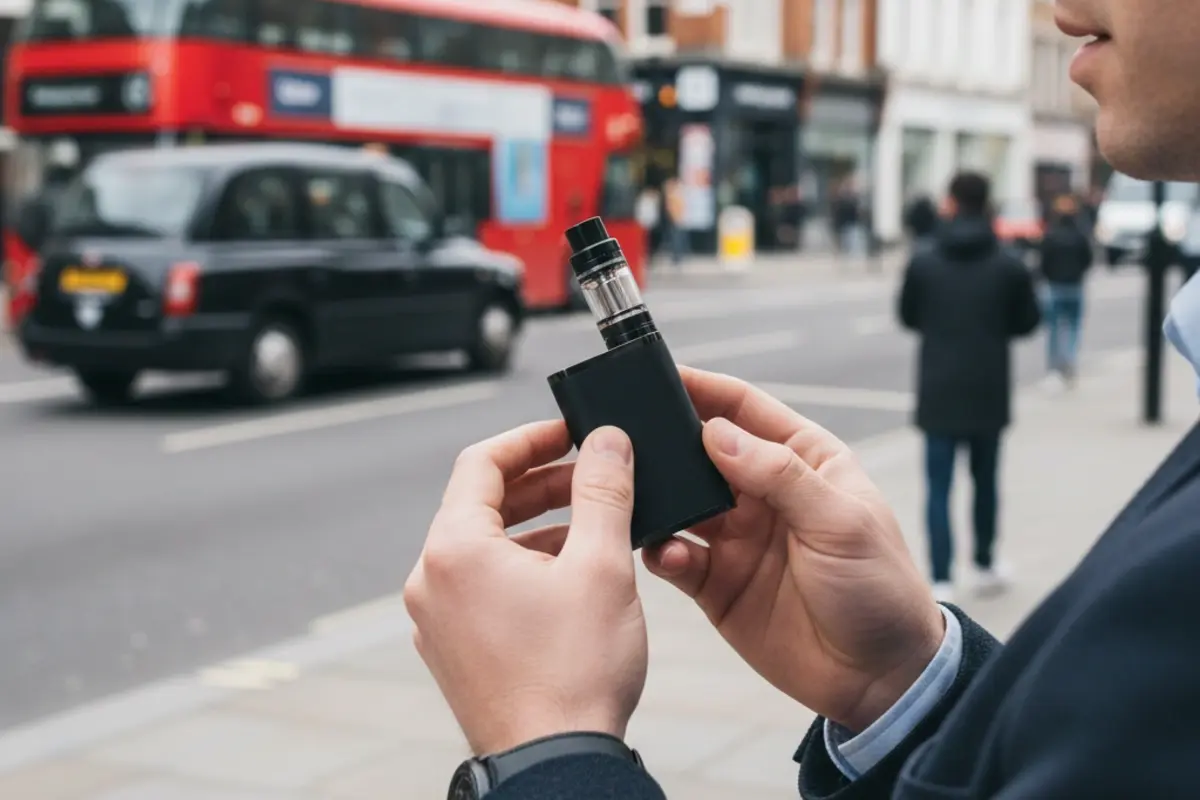
Vaping has grown in many countries, including the United Kingdom. People talk about vaping in the news, in schools, and in health reports. Vaping is often talked about with flavor names, but it raises big health questions. This article explains vaping in clear, simple language. It looks at how vaping works, why people try it, what “flavors” mean in use patterns, and what health and policy experts say about it in the UK.
The aim of this article is to help readers understand what vaping is, what the risks are, and why it matters to public health. It also looks at how flavors affect why some people start vaping. This is not a guide to choosing products. Instead, it is an educational article that explains the topic clearly.
What Is Vaping?
Vaping is a way to inhale a vapor using a small electronic device. The device heats a liquid until it turns into a mist that the user inhales. Many devices on the market include a battery, a heating element, and a container for the liquid.
The liquid, often called “e‑liquid,” may contain nicotine, which is the same addictive chemical found in cigarettes. It can also contain other liquids such as propylene glycol and vegetable glycerin. Many e‑liquids have added flavoring to make the vapor taste like fruit, sweets, mint, or other tastes.
People often think vaping might be safer than smoking, but safety is still not fully known. A lot of research is still being done to understand how vaping affects the lungs, heart, and brain.
How Vape Devices Work
A vape device has a few main parts:
- Battery: The power source.
- Coil: The part that heats up.
- Tank or pod: The place that holds the e‑liquid.
- Mouthpiece: Where the user inhales.
When the user presses a button (or in some devices simply inhales), the coil heats the e‑liquid. This turns the liquid into a vapor that looks like a cloud. The user then breathes in the vapor.
The amount of heat and the way the device works can change how much vapor is made. Different devices perform differently, and new designs come out all the time.
What Is in E‑Liquids?
E‑liquids may contain:
- Nicotine: An addictive chemical.
- Propylene glycol (PG): A liquid used to create vapor.
- Vegetable glycerin (VG): Another liquid that makes thicker vapor.
- Flavoring chemicals: Chemicals that add taste.
Nicotine makes vaping addictive. Even liquids that say they are nicotine‑free can contain other chemicals that are not safe to inhale. Flavorings might be approved for food, but inhaling them can be different.
The long‑term effects of breathing in these chemicals are still not fully known. Some studies show that vaping can irritate the lungs and throat. More research is needed to understand long‑term harm.
Why People Try Vaping
There are several reasons why people try vaping. Some of the main reasons include:
1. Curiosity and social influence: Some people, especially young people, try vaping because their friends do it or because they see it online.
2. The appearance of flavors: Flavored e‑liquids can be appealing. Many young people are drawn to sweet or fruity tastes.
3. Belief that vaping is less harmful than smoking: Some adult smokers switch to vaping because they believe it is safer than smoking cigarettes.
4. A way to try to quit smoking: Some people use vaping as a method to reduce or stop smoking cigarettes.
Different people have different reasons, and not all reasons are backed by strong evidence. People often make choices based on what they see others do or what they think is safer.
Why Flavors Matter
Flavors are a big part of why people try vaping. Flavors like fruit, mint, and desserts can make the experience seem more pleasant. Many people say that flavor helps mask the harshness of nicotine.
However, the appeal of flavors is also one reason health experts raise concern. Young people who have never smoked may start vaping because they like the taste. That can lead to nicotine addiction.
Flavors do not make vaping safe. They only make the taste more appealing. The chemicals used to create flavor may irritate the lungs. Research is ongoing, but early evidence shows flavor chemicals can cause inflammation in lung cells.
Vaping and Youth
One of the biggest concerns in the UK is youth vaping. Schools and health groups have reported that vaping among teenagers has increased. Some young people say they tried vaping because of flavors or because they saw others do it.
Nicotine affects the developing brain. Young people who use nicotine regularly may have problems with attention, memory, and mood. Nicotine addiction can also make it harder to stop vaping later.
Because of these risks, UK health agencies have acted to prevent youth access to vaping products. Age limits, sales rules, and public education aim to reduce youth vaping.
Health Risks of Vaping
Vaping is not harmless. Some known and possible risks include:
1. Nicotine addiction: Nicotine is addictive. Regular use can lead to dependence.
2. Lung irritation: Some people experience coughing, wheezing, or chest discomfort.
3. Heart effects: Nicotine increases heart rate and blood pressure.
4. Chemical exposure: Inhaling flavor chemicals and other vape liquid ingredients may cause inflammation.
There have also been rare cases of severe lung injury linked to vaping. Many of these cases were tied to unregulated products, but they have raised concern about product safety.
The long‑term health effects of vaping are still being studied. It can take years to know the full impact of inhaling these chemicals daily.
Vaping as a Smoking Cessation Tool
Some adults use vaping as a way to quit smoking cigarettes. Certain UK health bodies say that vaping may be less harmful than smoking. This is because smoking burns tobacco, which creates many toxic chemicals.
For smokers who cannot quit by other means, vaping might reduce exposure to some harmful chemicals. But the goal should be to stop using all nicotine products, not to switch to vaping for life.
Quitting smoking is difficult. Some people use support services, counseling, or nicotine replacement products to help them stop. Vaping is one tool some adults try, but it is not risk‑free.
UK Policy and Regulation
The UK has laws to control vaping products. Some key points include:
- Age limits: You must be 18 or older to buy vapes.
- Nicotine limits: There are caps on how much nicotine is in vape liquids.
- Product safety rules: Manufacturers must follow rules for ingredients and labeling.
These rules aim to protect public health and limit youth access. Public health groups also run campaigns to educate people about the risks of vaping.
Regulators watch new research and may change rules based on evidence. They aim to strike a balance between helping smokers quit and keeping nicotine away from youth.
How Vaping Compares to Smoking
Many people compare vaping to smoking. There are some key differences:
- Smoke vs. vapor: Smoking burns tobacco, which creates smoke with many toxic chemicals. Vaping heats liquid to create vapor.
- Toxins: Smoking exposes users to many harmful substances. Vaping exposes users to fewer, but not harmless, chemicals.
- Addiction: Both can deliver nicotine, which causes addiction.
Some health experts say vaping likely carries fewer risks than smoking. But that does not mean vaping is safe. The safest choice is to use no nicotine product at all.
Stories From People
Hearing real experiences can help understand the issue.
Some adult smokers say vaping helped them cut down or stop smoking cigarettes. They say the routine of inhaling vapor felt similar and helped them transition.
Other people say they started vaping as teenagers because of flavors and peer influence. Some later found it hard to quit once they were accustomed to nicotine.
These stories show how vaping affects people differently. They also show that the reasons people start are not always linked to quitting smoking.
What Health Experts Advise
Health experts in the UK advise:
- Never start vaping if you don’t already use nicotine.
- Young people should avoid vape products.
- Adults who smoke may consider safer quit methods first.
- Support is important for people trying to quit nicotine.
Experts urge education and strong use restrictions to protect health. They also promote smoke‑free lifestyles and support services for quitting.
Table: Key Vaping Topics in the UK
| Topic Area | Main Points |
|---|---|
| Vaping Devices | Battery, coil, tank that creates vapor. |
| E‑Liquids | May contain nicotine, flavorings, other chemicals. |
| Appeal Factors | Flavors, peer influence, curiosity. |
| Youth Concerns | Nicotine affects the brain; youth access raises alarm. |
| Health Risks | Nicotine addiction; lung and heart effects. |
| Policy Actions | Age limits, product rules, education campaigns. |
How to Talk to Young People About Vaping
Parents and teachers can play a big role. Tips include:
- Ask questions and listen to what young people think.
- Share facts about nicotine and health risks.
- Explain that flavors do not make vaping safe.
- Encourage healthy choices and support quitting.
Open conversations can help young people make better decisions.
Quitting Vaping
Quitting vaping is similar to quitting smoking. Steps include:
- Set a quit date.
- Get support: talk to a doctor or counselor.
- Use tools: behavior support, apps, support groups.
- Avoid triggers: places or people that prompt use.
Many people find help makes quitting easier. Support can improve success.
What Research Still Needs to Be Done
Scientists are still learning about vaping’s long‑term effects. Some areas include:
- Long‑term lung health impacts.
- How flavor chemicals affect the body.
- How vaping affects heart and brain health.
- Best methods to help adults quit nicotine.
Research continues worldwide, and policies may change when new evidence appears.
Conclusion
Vaping is a complex public health issue in the UK. It has grown in use among adults and youth. Flavors can make vaping more appealing, especially to young people, but they do not make it safe. Nicotine addiction and chemical exposure are major concerns.
For adults who smoke, vaping might be one tool among others to reduce harm, but quitting all nicotine use is healthier. For young people and non‑smokers, avoiding vaping entirely is the safest choice.
The UK has rules to regulate vaping and protect public health. Education and public awareness are key to reducing harm. Health experts recommend support systems for quitting nicotine and strong measures to prevent youth use.
Understanding vaping, the role of flavors, and the health evidence helps people make informed decisions. This article provides clear information so readers can think about vaping based on facts, not trends.